WHY MENTAL WELLBEING IS VITAL AS MALAYSIA’S POPULATION AGES
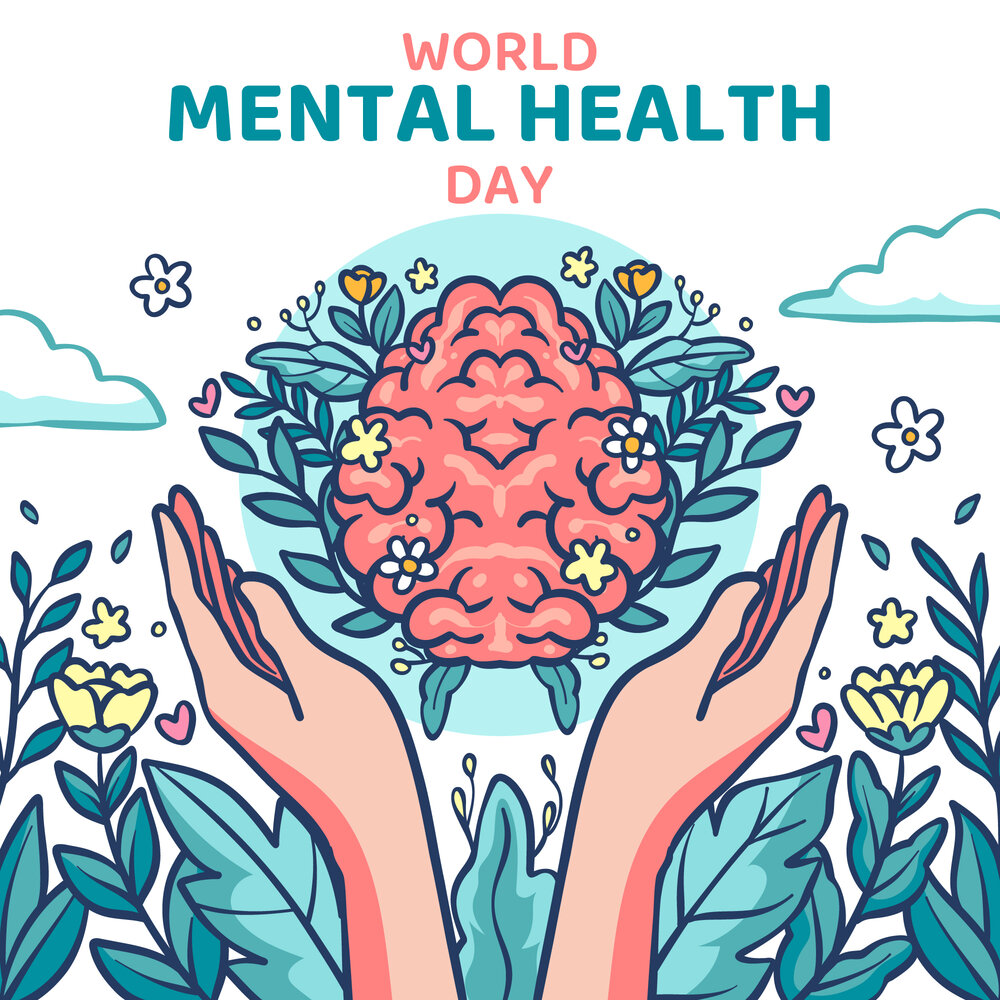
As Malaysia’s population continues to age, mental wellbeing must become an essential part of conversations about healthy ageing. World Mental Health Day, observed on 10 October, carries the theme “Lived Experiences Heard: Real Voices, Real Change”, highlighting the importance of listening to people with lived experience of mental health conditions to develop more inclusive and responsive support systems. This message is particularly relevant to older adults, whose emotional and psychological needs can sometimes be overlooked amid discussions about physical health and cognitive decline.
Improvements in healthcare and living conditions have contributed to longer life expectancy in Malaysia, with individuals aged 60 and above expected to account for approximately 12.3% of the population in 2026. However, living longer does not necessarily mean ageing well. Healthy ageing also involves feeling connected to others, being valued by society and maintaining a sense of purpose throughout different stages of life.
Healthy Ageing Goes Beyond Physical and Cognitive Health
Conversations about ageing often centre on chronic illnesses, mobility, physical limitations and cognitive decline. While these remain important considerations, mental wellbeing deserves equal attention. Older adults may experience significant changes as they move through later life, including retirement, the departure of children from the family home, changing family relationships and the loss of a spouse or close friends. Some may also face reduced independence or adjustments to familiar responsibilities and routines.
These transitions can influence emotional wellbeing, self-confidence, identity and a person’s sense of purpose. Although such changes are common, older adults should not be expected to navigate them without support. Recognising their emotional needs is an important step towards ensuring that ageing remains a meaningful and fulfilling experience.
Recognising Mental Health Concerns Beyond Ageing
Emotional and behavioural changes among older adults are sometimes dismissed as an inevitable consequence of growing older. Persistent sadness, social withdrawal, reduced interest in activities, changes in sleep or appetite, and forgetfulness may be attributed to age, potentially allowing signs of emotional distress to go unnoticed.
Growing older does not automatically lead to depression, anxiety or emotional difficulties. These are mental health concerns that deserve appropriate attention and support. Malaysian research has documented depression, anxiety and stress among older adults, with some concerns remaining undetected. Families, caregivers and healthcare professionals should therefore pay attention to noticeable changes in an older person’s mood or behaviour rather than assuming they are simply part of ageing.
Understanding Loneliness and the Importance of Connection
Loneliness is not determined solely by whether someone lives alone. An older adult may live independently while maintaining meaningful relationships, while another person surrounded by family and friends may still experience feelings of isolation. The quality of social connections often matters more than the number of people nearby.
A Malaysian study involving 2,188 older adults found that stronger social networks were associated with greater psychological flourishing and, among some groups, lower levels of loneliness. These findings reinforce the importance of meaningful relationships in supporting mental wellbeing as people age.
Regular interaction, opportunities to participate in community activities and the ability to maintain close relationships can help older adults feel included and connected. Creating these opportunities requires a collective effort from families, communities and society to ensure that older people remain active participants in everyday life.

Supporting Older Adults Through Loss and Life Transitions
Ageing can also involve experiences of loss that extend beyond bereavement. Losing a spouse, close friends or familiar responsibilities may affect an older person’s identity and sense of belonging. Changes in long-established roles as a parent, partner or caregiver, together with reduced independence, can also create emotional challenges.
While sadness is a natural response to loss, older adults need safe and supportive spaces to express their feelings and share their experiences. Families and communities should avoid placing pressure on them to move on quickly or dismissing their emotions as an unavoidable part of growing older. Listening with empathy and acknowledging their experiences can help create an environment where emotional needs are recognised and supported.
Building Communities That Support Mental Wellbeing
Supporting psychological wellbeing should be an integral part of Malaysia’s approach to healthy ageing. Encouraging older adults to remain socially connected, physically active and engaged in meaningful activities does not always require elaborate programmes or significant resources.
Simple initiatives such as small-group outings, community gatherings, dancing, singing and creative activities can encourage participation and interaction. These experiences offer more than opportunities to stay occupied; they also provide outlets for self-expression, sharing memories, stimulating the mind and building relationships.
Research into creative and social activities further highlights their potential value in supporting cognitive and emotional wellbeing. Instead of focusing exclusively on the difficulties associated with ageing, society should also recognise the activities, relationships and environments that help older adults maintain resilience, confidence and a sense of belonging.
Listening to Older Adults and Their Lived Experiences
The theme of World Mental Health Day serves as a reminder that meaningful support begins with listening. For older adults, this means understanding their individual needs, personal experiences and what gives their lives meaning. Families, communities and healthcare professionals should involve them in decisions that affect their daily lives rather than making assumptions about what is best for them.
A holistic approach to healthy ageing must consider physical and cognitive health alongside emotional wellbeing, social relationships and living environments. By listening to older adults and respecting their voices, society can develop more responsive forms of support that recognise their dignity, independence and individual aspirations.
Ultimately, healthy ageing is not simply about adding more years to life, but ensuring those years are lived with connection, dignity, meaning and purpose. As Malaysia moves towards an ageing society, supporting older adults must be a shared responsibility involving families, communities, healthcare professionals and policymakers. Just as it takes a village to raise a child, collective care and understanding are essential to helping people age healthily and meaningfully.

The article’s insights are shared by Professor Dr Rozainee Khairudin, Head of the Department of Psychology at Taylor’s University’s School of Liberal Arts and Sciences, Faculty of Social Sciences and Leisure Management, and Director of the Mental Health and Well-being Impact Lab. Her work focuses on human cognition and behaviour, mental health, cognitive wellbeing, resilience and quality of life.