Past Revenue Expansion: The Critical Role of Stable Livelihoods for Malaysia’s Micro-Enterprises
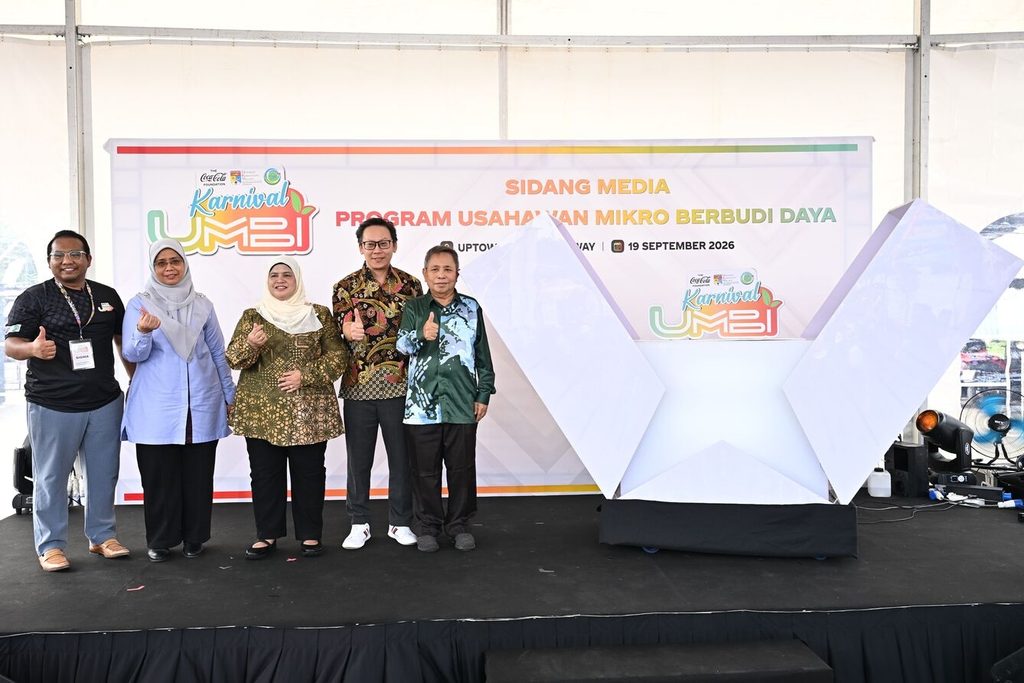
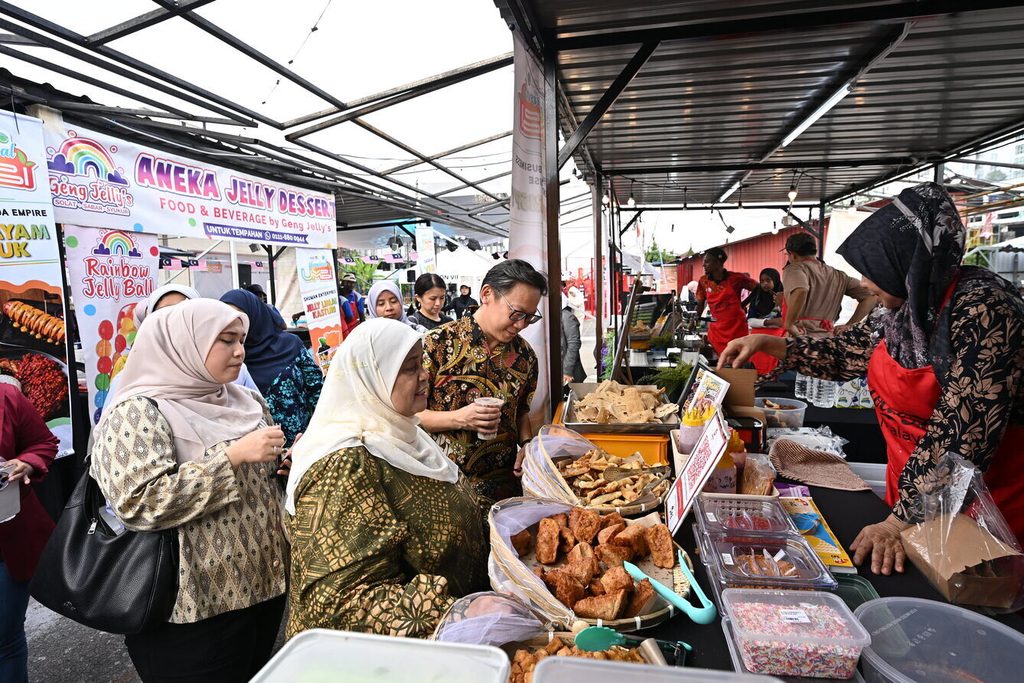
KUALA LUMPUR, 19 September 2026 – For hundreds of thousands of micro-entrepreneurs throughout Malaysia, entrepreneurship is rarely about scaling an empire or securing venture capital. Instead, it is an essential lifeline aimed at securing reliable, daily income to meet core household necessities amid escalating costs of living. This dynamic is especially acute in the food and beverage (F&B) micro-sector. Roadside food stalls, night market vendors, and home-based culinary operators consistently grapple with erratic day-to-day takings, driven by volatile weather conditions, shifting foot traffic, and sharp spikes in raw ingredient prices. When earnings fluctuate drastically from one day to the next, even minor operational shocks can directly jeopardize a family’s financial stability.
Project UMBI: Grounding Business Fundamentals in Resilience
To address this systemic vulnerability, Project UMBI was launched as a collaborative three-year initiative led by the Institute of Malaysian and International Studies (IKMAS) at Universiti Kebangsaan Malaysia (UKM), with backing from The Coca-Cola Foundation. Engaging more than 1,400 micro-entrepreneurs nationwide, the program is designed around practical business hygiene rather than complex growth hacking. By equipping roadside traders and home operators with practical guidance on everyday workflows, basic financial tracking, and operational planning, the initiative focuses on smoothing out daily revenue swings and establishing baseline income continuity.
Predictability Over Rapid Scale
Findings from the program’s initial phase demonstrate that steady income streams generate disproportionate welfare benefits for low-income households. While approximately 86.6% of participants operate at modest profit levels below RM6,000 per month, over 78% now reliably support themselves and their families through their ventures. Research Lead Dr. Muhamad Azwan Abd Rahman of IKMAS UKM points out that income reliability often outweighs pure commercial expansion at this tier; predictable earnings allow families to budget confidently for essentials like food, schooling, and healthcare without needing explosive top-line growth. Carlos Pagoaga, President of The Coca-Cola Foundation—which has deployed over $1.7 billion in community grants globally since 1984—underscored that fostering daily operating consistency directly builds resilience for vulnerable households facing broader macroeconomic headwinds.
Safeguarding Vulnerable Households and Local Communities
A crucial dimension of the initiative is its social footprint, particularly among female entrepreneurs and single mothers balancing income generation with domestic responsibilities. As female participation expanded throughout the project’s phases, micro-business ventures increasingly functioned as engines of financial self-reliance. When earnings stabilize, the ripple effect extends across extended families through shared resources and community support. By prioritizing household-level predictability, the partnership between UKM and The Coca-Cola Foundation demonstrates that the long-term vitality of Malaysia’s grassroots economy relies not on forcing micro-businesses to scale prematurely, but on giving them the operational footing to endure.